Troubleshooting before parts
We verify voltage, continuity, gas supply, combustion air, venting, and temperature settings so the repair targets the cause, not the symptom.
Serving Tacoma, Washington & surrounding areas
Mon–Fri 8am–6pm Sat 9am–2pm
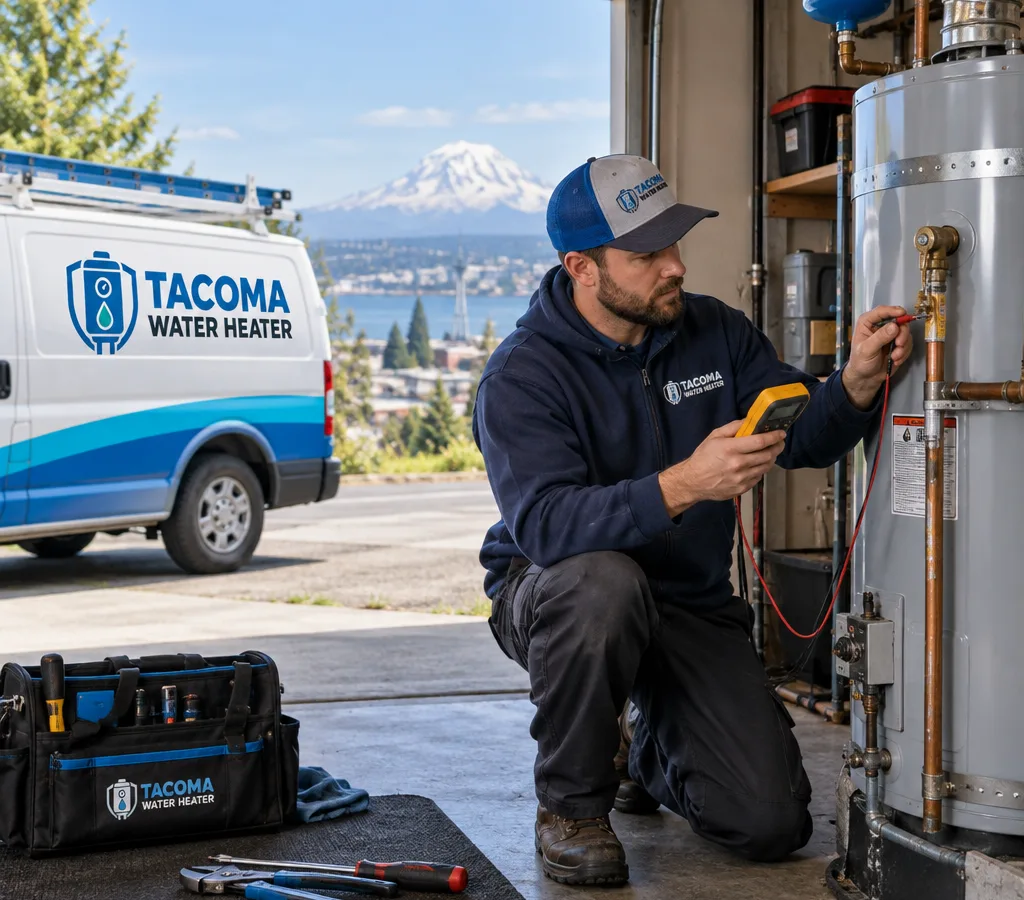
Get hot water back fast with clean, careful work and clear pricing after a real diagnosis, not a guess.
When you need water heater repair Fife residents can count on, the first priority is safe troubleshooting. A water heater involves electricity or gas, combustion venting, water pressure, and scalding temperatures. The right fix starts with confirming the failure point—power, thermostat, heating element, gas valve, venting, burner, dip tube, leak source, or a control board on newer units—and then matching the repair to the heater's age and condition.
Tacoma Water Heater provides water heater service in Fife for common problems like no hot water, not enough hot water, slow recovery, lukewarm water, popping or rumbling noises, pilot issues, discolored water, and small leaks around fittings. If the heater is unsafe to run because of an active leak, tripped safety device, combustion concern, or electrical damage, we will explain what we found and what needs to happen next before restoring operation.
Our shop is based at 2320 Commerce St, Suite 5, Tacoma, WA 98402. That location keeps us positioned for quick dispatch to Fife and nearby corridors, where many homes have water heaters in garages, utility closets, and tight laundry rooms that require careful access and protection of floors and finishes. For broader coverage outside Fife, our water heater repair services in Tacoma are available as well.
We verify voltage, continuity, gas supply, combustion air, venting, and temperature settings so the repair targets the cause, not the symptom.
After diagnosis, you get a clear scope and price before any repair work begins, including options when more than one path makes sense.
We use floor protection and manage draining and flushing carefully, especially in garages and closets where water can travel fast.
We confirm key safety components like the TPR valve discharge setup, bonding or grounding where applicable, and shutoff function before we leave.
If the tank, burner chamber, or fittings are at end of life, we will explain what is repairable and what is likely to keep failing soon.
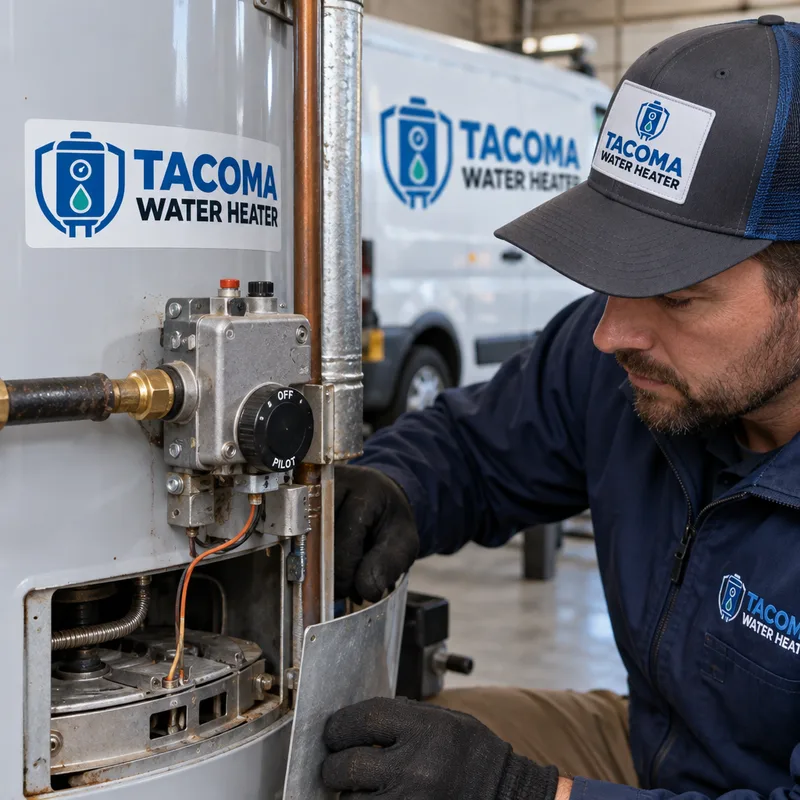
Most breakdowns fall into a few repeat categories. The key is proving which one you have.
Electric water heaters: We commonly trace problems to a failed upper or lower heating element, a faulty thermostat, a tripped high-limit switch, or a wiring issue at the junction box. Proper diagnosis includes confirming correct voltage at the heater, checking element resistance, and verifying thermostats are switching power as they should.
Gas water heaters: Frequent culprits include pilot or ignition failure, a bad thermocouple or flame sensor, a failing gas control valve, restricted burner air, or venting and drafting problems. We inspect combustion components, confirm safe venting, and verify the heater cycles normally.
Water leaks: A leak at a supply line, shutoff valve, union, or drain valve can often be repaired. A leak from the tank body itself usually means replacement is the safe path. We will pinpoint the leak source, explain what it means, and lay out options.
If you are in Fife near major travel routes like I-5, quick response still depends on access: clear space around the heater, provide a path to the shutoff, and tell us if the unit is gas or electric so we arrive prepared.
We start by confirming symptoms, heater type, and any immediate hazards. If there is active leaking or a gas smell, the first step is making the area safe.
We test the components that actually fail on your heater style: thermostats and elements for electric; ignition, gas valve, burner, and venting for gas; plus leak tracing for water-side issues.
You get a written scope with the recommended repair and any alternatives that are reasonable, including when replacement makes more sense than chasing repeated failures.
After the repair, we verify a full heat cycle, confirm temperature control, check for leaks, and make sure shutoffs and safety devices operate as intended.
We leave you with simple guidance on temperature settings, early warning signs, and maintenance that fits your unit, such as periodic flushing when sediment is an issue.
Water heater repair in Fife typically ranges from about $175 to $700, depending on the heater type and what failed. Small repairs like replacing a thermocouple or an electric thermostat are often on the low end, while gas control valve issues, leak repairs at multiple fittings, or more complex diagnostics tend to be higher.
Final cost depends on parts needed, unit access—tight closets versus an open garage—the age and condition of the heater, and whether corrosion or damaged valves complicate the work. Exact pricing is confirmed after an on-site diagnosis.
If your hot water is out or the heater is leaking, getting it checked early can prevent tank damage and water cleanup. Share what you are seeing and we will schedule a repair visit that fits the urgency.
Call for a Free EstimateSame-day water heater service in Fife is often possible, especially for no-hot-water situations, but it depends on the schedule and the parts your unit needs. If you can tell us whether the heater is gas or electric and what symptoms you are seeing—leak, pilot out, breaker tripping, or error code—it helps us prioritize and arrive prepared.
A leak at a valve, fitting, or supply connection can often be repaired, but a leak from the tank body usually means the tank has failed and replacement is the safe option. During diagnosis we track the leak source, check for corrosion around fittings and the drain, and explain whether the heater can be returned to safe operation.
Short hot-water duration is commonly caused by a failed lower element on an electric tank, a thermostat issue, or heavy sediment reducing the effective tank volume. We confirm element operation and temperature control, and we can recommend whether flushing is appropriate based on what we see inside the tank and at the drain.
Popping or rumbling usually points to sediment heating at the bottom of the tank, which reduces efficiency and can stress the heater. We inspect for signs of sediment buildup, verify safe operation, and advise whether a flush is likely to help or if the unit is too far along for maintenance to make a meaningful difference.
Yes, many tankless issues are repairable, including ignition problems, sensor faults, scale-related flow issues, and venting or gas-supply concerns. Tankless repair depends heavily on model-specific diagnostics, so providing the brand and any displayed error code helps speed up the service visit.
If there is leaking, shut off the cold water supply to the heater and avoid running hot water until the leak is assessed. If you suspect a gas issue, such as a gas odor, leave the area and arrange immediate help; do not try to relight or adjust the unit yourself. For electric units with repeated tripping, leave the breaker off to avoid damaging components.
Tell us what the heater is doing and where it is located in the home. We will confirm a service time, diagnose the issue in person, and walk you through the repair options with clear pricing.