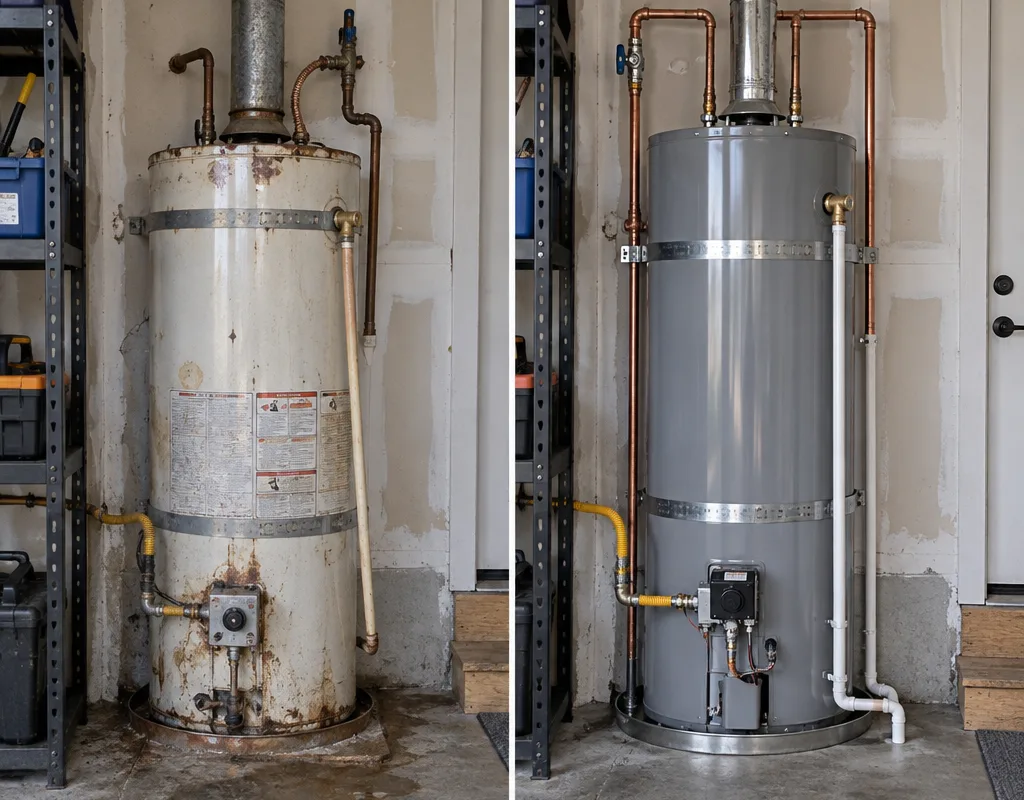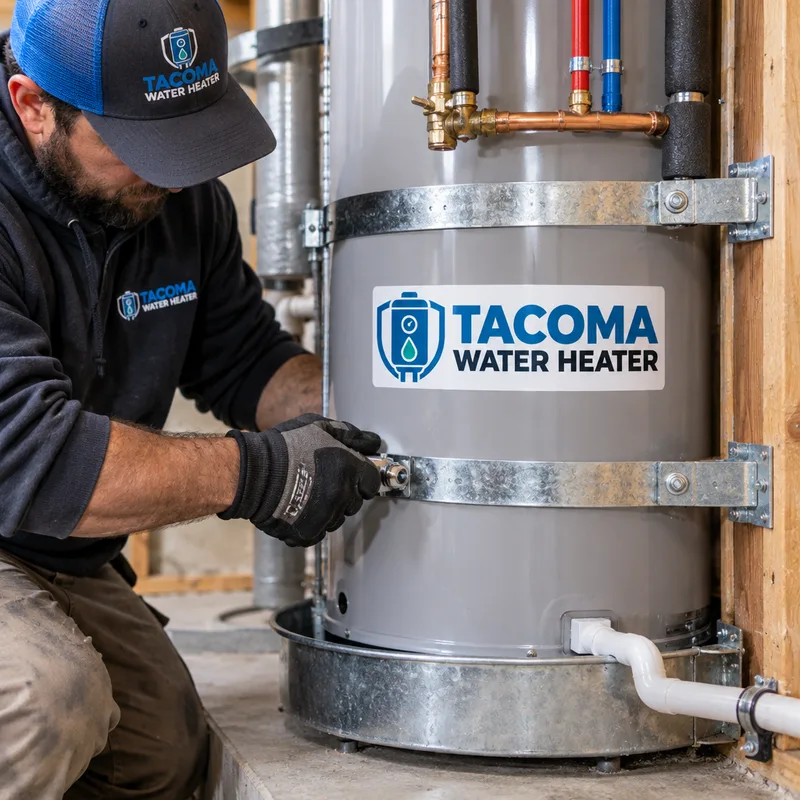
Code-aware connections and shutoffs
We verify proper shutoff valves, temperature and pressure relief (TPR) discharge piping, and safe electrical or gas connections so the install matches how water heaters are designed to operate.
Serving Tacoma, Washington & surrounding areas
Mon–Fri 8am–6pm Sat 9am–2pm
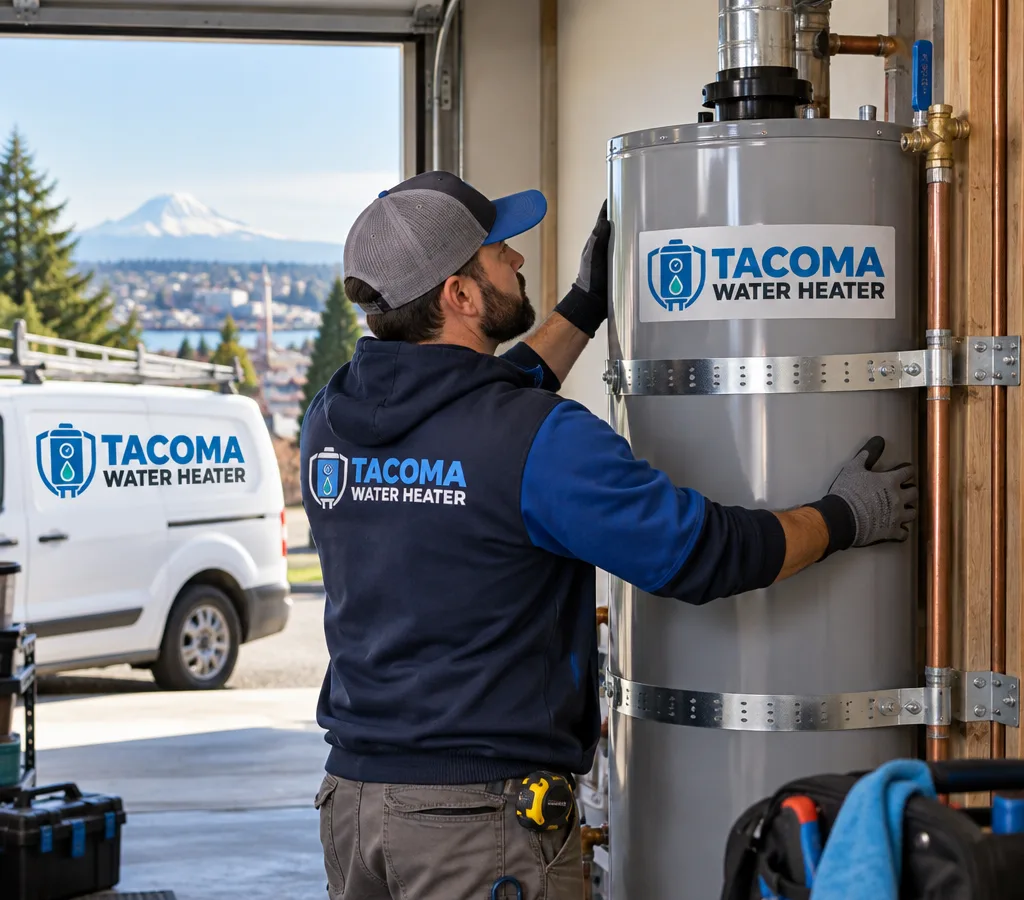
Get dependable hot water again with a clean, code-aware install, clear options, and careful removal of the old unit. Tacoma Water Heater serves University Place and the Tacoma area from our shop in downtown Tacoma.
If you are searching for water heater installation University Place, you are usually trying to solve one of two problems: your current heater is failing—or already out—or you want a planned upgrade before it becomes an emergency.
Tacoma Water Heater installs and replaces tank and tankless water heaters with a practical focus on safety, venting, shutoffs, and long-term reliability. We confirm fuel type—gas or electric—size the unit to your household, check clearances and combustion air where needed, and set up the new heater so future service is straightforward.
University Place homes often have water heaters tucked into tight utility closets, garages, or crawl-adjacent spaces where access and venting details matter. We plan the swap so the unit fits, the piping is supported, and the installation looks intentional instead of patched together.
If your issue is troubleshooting a leak, no-hot-water, or pilot problems and you are not sure whether replacement is necessary, start with water heater repair.
We verify proper shutoff valves, temperature and pressure relief (TPR) discharge piping, and safe electrical or gas connections so the install matches how water heaters are designed to operate.
We protect floors, move the old heater out safely, and leave the area tidy. You should not have to clean up pipe dope, scrap fittings, or water stains after the work is done.
We talk through usage, recovery needs, and space limits. A heater that is too small causes frustration; oversized equipment can waste energy and crowd the space.
When it makes sense, we can add expansion control, improved isolation valves for serviceability, and smart placement of drain pans and drain routing based on the location.
If the tank, burner, elements, or controls point to a repairable issue, we will explain it. If replacement is the safer or more economical route, we will explain that too.
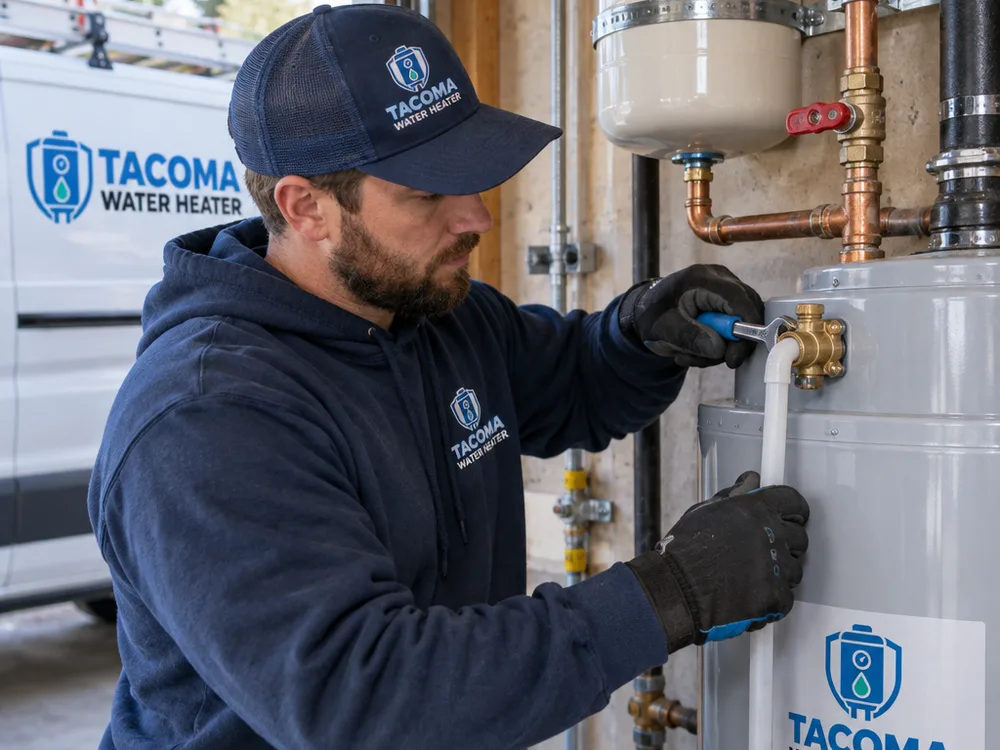
A water heater replacement University Place project is usually triggered by one of these situations:
We handle planned upgrades as well. If you are remodeling or changing household size, it can be a good time to adjust capacity, improve the layout, or consider a tankless option if the home is a good candidate.
Our service area includes University Place and nearby parts of Tacoma. In practice, that means we see a mix of newer construction with garage installs and older housing stock where piping and venting may have been modified over time. Either way, we verify what is actually in front of us before we commit to a final plan.
We verify fuel type, location constraints, venting type for gas, and capacity. If you are switching types or changing locations, we outline the added scope up front.
We isolate water, power, and gas as applicable, then drain and disconnect the old unit in a controlled way to avoid spills and damage.
We set the heater level, connect water and power or gas, address venting details, and add practical components—like isolation valves for tankless—when appropriate for future maintenance.
We check for leaks, confirm proper heating, and verify temperature settings. For gas units, we confirm stable operation and safe venting behavior.
You get a clear explanation of what was installed, what to watch for, and what maintenance helps the heater last longer in typical Tacoma-area conditions.
Water heater installation in University Place typically ranges from $1,600 to $4,500+ depending on whether it is a like-for-like tank swap or a more involved change. A straightforward tank replacement is often $1,600 to $2,800, while tankless installations or venting, gas-line, electrical, or location changes can run $2,800 to $4,500+.
Your final price depends on heater type and size, venting requirements for gas, code-related updates, access to the install location, and whether the existing plumbing needs modifications. Exact pricing is confirmed after we see the current setup and the install location.
If your current heater is leaking, undersized, or unreliable, get a written scope with clear equipment options before any work starts.
A like-for-like tank replacement is often completed in a single visit, while changes to venting, fuel type, electrical, or relocating the unit can take longer. The timeline depends most on access—tight closets versus open garages—and whether any code-related corrections are needed once the old heater is removed.
Tank units are usually the simplest and most cost-effective replacement when you want a straightforward swap, while tankless can make sense if you have the right gas capacity, venting path, and usage goals. The best choice comes down to your home's existing connections, the install location, and how your household uses hot water.
Yes, but tight spaces require careful planning for safe clearances, proper venting on gas units, and service access. We measure openings and review the current connections so the new heater fits and can be maintained without forcing components into unsafe positions.
The biggest drivers are heater type, capacity, venting requirements for gas, any needed updates to valves and discharge piping, and how much piping or electrical work is required to meet safe installation standards. Access and removal logistics also matter, especially when a unit has to be maneuvered through narrow doors or stairs.
If the leak is coming from the tank body, replacement is typically urgent because the leak tends to worsen and can cause water damage. If the leak is at a fitting, valve, or connection, it may be repairable, but it should still be evaluated quickly to prevent damage and confirm the heater is safe to operate.
The most helpful details are fuel type, tank size if known, where the heater is located, and any symptoms like rusty water or a leaking tank. Photos of the existing unit, the venting for gas, and the area around the heater help us prepare the right options before we arrive.
Tell us what you have now and where the water heater sits in the home. We will confirm the right replacement options, explain any code-related updates, and schedule an installation that fits your timeline.